

Search for articles or browse our knowledge portal by topic.
End Treatments
This article explores end treatments, including terminals, anchors, and crash cushions. It provides an overview of each end treatment type followed by a review of MASH-evaluated systems commonly used in Kentucky. The article concludes by touching on Pre-MASH legacy systems that may still be encountered in the field.
AASHTO’s Roadside Design Guide (RDG) provides specific information on end treatments. KYTC Standard Drawings provide details on commonly used end treatments and their applications.
The full definitions for terms included in this article (listed below) can be found in the HKP Glossary.
- Adjacent Grading
- Advance Grading
- Anchor
- Clear Runout Area
- Clear Zone
- Crash Cushion (Impact Attenuators)
- Crashworthy Device
- End Treatment
- Gating Section
- Impact Head
- Length of Need
- Length of Need Point
- MASH
- Redirecting Section
- Runout Distance Grading
- Terminal
- Test Level
If the end of a barrier system (e.g., guardrail) is located within the clear zone, it must be anchored and shielded with an end treatment. End treatments prevent vehicles from striking the end of an exposed roadside barrier or fixed object (e.g., bridge pier). Depending on the design, they can safely decelerate a vehicle to a stop or redirect it upon impact.
If no treatment is provided, a vehicle that strikes a barrier or object may come to an abrupt stop, resulting in a significant transfer of kinetic energy to occupants. As the amount of kinetic energy a human body experiences increases, so does the likelihood of a serious or fatal injury. Without an end treatment, parts of a barrier could penetrate the passenger compartment, also increasing the risk of a serious or fatal injury.
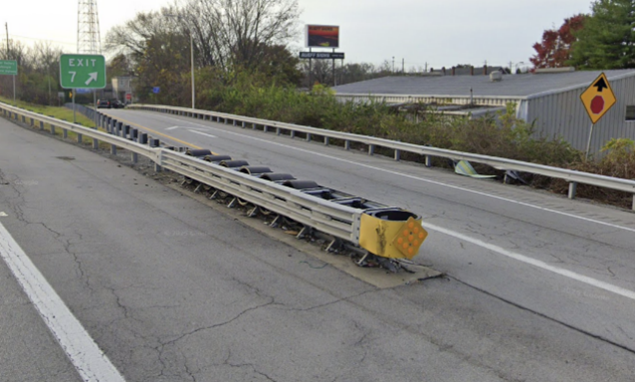
The three main types of end treatments are terminals, anchors, and crash cushions (Figure 1). Terminals are crashworthy devices installed at the ends of barriers — typically within the clear zone — to reduce the severity of a head-on vehicle impact or to redirect a vehicle if struck beyond the length of need. Most terminals are designed to be crashworthy when struck from the traffic-facing side; the back side of a terminal is not intended to accommodate impacts safely and is not considered crashworthy. Some terminals designed for placement in medians are crashworthy for impacts on either side.
Anchors develop tensile strength when a vehicle impacts a semi-rigid or flexible barrier. However, because anchors are not crashworthy devices, they are placed only at the trailing (i.e., downstream) end of a barrier and outside of the clear zone of opposing traffic.
Crash cushions (i.e., impact attenuators) are installed at the ends of barriers, typically in medians or gore areas, or upstream of fixed objects, such as bridge piers. Crash cushions gradually decelerate a vehicle during a head-on impact or redirect a vehicle when struck from the side. They are designed to redirect vehicles when impacted from either side of the device.
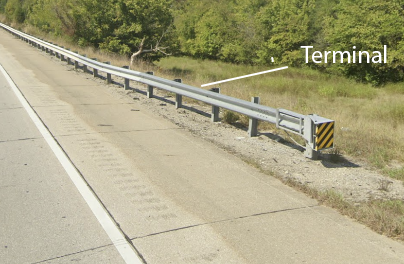
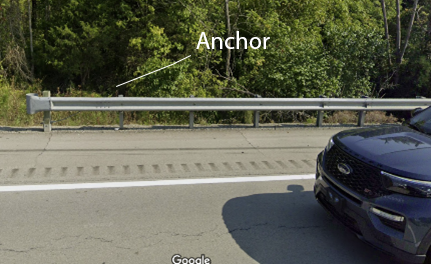

Figure 1: Terminals, Anchors, and Crash Cushions in Kentucky (Source: Google Street View)
Terminals, anchors, and crash cushions must undergo crash testing in accordance with AASHTO Manual for Assessing Safety Hardware (MASH) criteria. If they pass testing, they are assigned a test level (TL-) designation.
Speed is the primary consideration when determining the appropriate TL for a barrier on a project. The selection of crash cushions also accounts for traffic volumes.
- For low-speed facilities (≤ 45mph), a TL-2 rated device may be appropriate.
- On high-speed facilities (≥ 50mph), a TL-3 device is typically required.
Prior to discussing treatment details, it is important to clarify relevant naming conventions. Within Kentucky, both terminals and anchors are commonly called guardrail end treatments. Crash cushions continue to be referred to as crash cushions. These naming conventions are reflected in the KYTC Standard Drawings and bid item codes.
Engineers and technicians can choose from several terminals. Details of each guardrail end treatment are found in the KYTC Standard Drawings (Standard Drawings) – Barriers section. Terminals are installed in locations where the traffic-facing side is exposed to potential impacts, which includes locations within the clear zone of opposing-direction traffic.
When using these terminals, the designer must first determine the most appropriate location. KYTC’s Highway Design Guidance Manual (Design Manual) recommends that a designer should consider terminal options in the following order:
- Barrier anchored in backslope — Terminals that flare away from the traveled way and are buried in the adjacent backslope. However, when the backslope is a considerable distance from the roadway, this option may create an unnecessarily wide shoulder area. Large trucks may use this space as an informal pull-off, which is undesirable and increases maintenance needs. In such cases, another terminal type should be considered.
- Flared Terminals — Terminals that flare away from the traveled way, typically 3 feet or more from the normal guardrail line.
- Straight-Line Terminals (Tangential) — Terminals that are tangent to the normal guardrail line or that flare away from the traveled way up to 2 feet.
Other factors to consider when selecting a terminal include the availability of right-of-way, the location of roadside ditches and other drainage features, and operating speeds.
The terminals discussed in this section are designed and crash tested to be connected to semi-rigid (guardrail) barriers. If a terminal is installed adjacent to the end of a rigid barrier (e.g., concrete bridge railing), a transition section and a length of standard guardrail should be used to properly connect the terminal to the rigid barrier. For proprietary terminals, manufacturer installation manuals provide further guidance on terminal use near rigid barriers. If a terminal connects to guardrail shorter than 31-inch-tall Midwest Guardrail System (RBR-001), a vertical transition section is needed between the terminal and existing guardrail. This vertical transition is detailed in Standard Drawing RBR-018.
Several Highway Knowledge Portal articles contain additional information on topics relevant to terminals.
3.1 Terminal Components
Terminals vary in design and should be installed according to applicable KYTC Standard Drawings. If a system is proprietary, follow the manufacturer’s installation instructions. Do not blend components or hardware from different terminals as each system is engineered to function as a complete unit. While terminals may share similar performance characteristics, they rely on specific materials and components to ensure proper performance and safety.
3.2 Performance Characteristics of Terminals
Understanding the performance characteristics of terminals is critical for designing and installing them properly. These characteristics influence how terminals dissipate energy, redirect vehicles, and minimize crash severity, ensuring they function effectively under real-world conditions.
3.2.1 Energy-Absorbing Terminals
The impact head (see Figure 4 for an example) is a critical component on energy-absorbing terminals. It is attached to the guardrail and is designed to move along the rail following vehicle impact. As the impact head moves, it dissipates kinetic energy, slowing a vehicle to reduce occupant risk. Proper installation and maintenance are essential to allow the impact head to smoothly slide along a rail and function as intended in real-world conditions. Obstructions, improper alignment, or damage to the system can hinder its ability to function properly.
3.2.2 Length-of-Need Point
The length of need (LON) is the length of barrier required to adequately shield an object or area of concern and prevent a vehicle from reaching the shielded feature. Providing sufficient LON is critical for roadside safety. See the HKP article Length of Need for more details.
The length-of-need (LON) point is the location on a terminal where it is designed to contain and redirect an impacting vehicle, preventing it from breaching the barrier. This point is established through successful angled crash testing, which ensures a terminal meets safety performance standards for vehicle redirection under MASH crash-testing conditions. Proper identification of a terminal’s LON point is critical for effective placement and overall system performance. For more details, refer to KYTC Standard Drawings (Standard Drawings) – Barriers.
Upstream of a terminal’s LON point is the gating section — typically between posts 1 and 3 or 4. This section of the terminal is designed to allow an impacting vehicle to pass through into the area behind the barrier. Because the terminal opens like a gate, the roadside beyond the gating section should be recoverable and free of rigid obstacles to increase the likelihood that an errant vehicle can recover safely.
Downstream of the gating section is the redirecting section — usually from posts 3 or 4 to the point where the terminal connects to normal guardrail. This section is designed to redirect an errant vehicle by containing and guiding it along the barrier face during impact, rather than allowing the vehicle to penetrate or pass behind the system. It plays a critical role in shielding roadside obstacles — such as fixed objects, steep slopes, or other areas of concern — by maintaining vehicle stability and preventing vehicles from leaving the roadway.
3.3 Site Grading Considerations for Terminals
For a terminal to function as designed, the area around the terminal must be graded properly (Figure 2). Grading should be considered from three perspectives: advance grading, adjacent grading, and runout distance grading. KYTC Standard Drawings, AASHTO’s Roadside Design Guide (RDG), and manufacturer installation manuals (for proprietary terminals) provide grading requirements and guidance.
KYTC Standard Drawings provide terminal-specific grading details, but in general advance and adjacent grading should be 10:1 or flatter. Runout distance grading should ideally have a 4:1 slope (3:1 maximum slope). The RDG recommends a minimum recovery area behind and beyond the terminal that is 75 ft long (measured parallel to the traveled way) and 20 ft wide (measured perpendicular to the traveled way), and that this traversable recovery area be free of fixed-objects.

Figure 2: Grading at Terminal
Fill material required for grading terminal sites is usually included in a project’s earthwork quantities. If a project scope includes roadway excavation or embankment-in-place, designers should verify that sufficient fill material is accounted for in the project quantities to support proper terminal grading.
For reconstruction projects, site-grading earthwork for end treatment installation includes removing existing soil to achieve the target grade, adding and compacting soil to reach the required elevation, and shaping the site to establish proper drainage and stability. These steps help create a stable foundation for end treatments to ensure they function safely and effectively. If a project has no earthwork, designers should determine whether a separate quantity for site grading is needed to ensure the terminal is installed on a properly graded surface that meets its functional requirements.
3.4 Guardrail End Treatment Type 1
KYTC’s Guardrail End Treatment Type 1 is a straight-line (tangential), energy-absorbing terminal approved for MASH TL-3 applications (Figure 3). Information on this terminal is contained in KYTC Standard Drawings RBI-004 and RBR-020. These Standard Drawings contain information on recommended grading, LON point, pay limits, bid items, and other pertinent items.
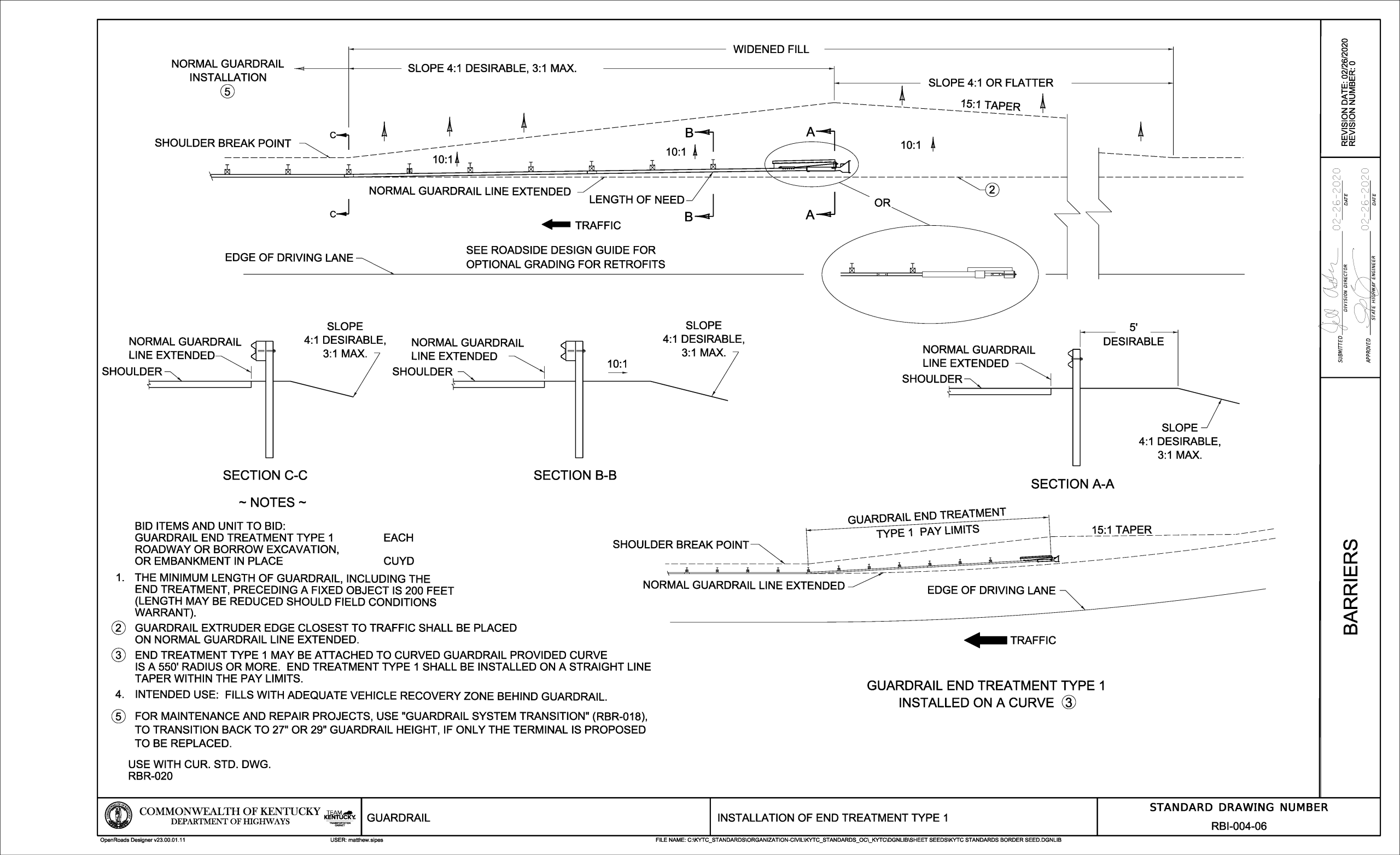
Figure 3: Guardrail End Treatment Type 1 (from RBI-004)
KYTC authorizes the use of two proprietary terminals — the SoftStop® system manufactured by Valtir and the MSKT® manufactured by Road Systems, Inc. One key difference between these systems is how posts are numbered. The SoftStop® terminal starts at post 0 (Figure 4a), while the MSKT terminal begins at post 1 (Figure 4b). For both terminals, LON starts at post 3. If a vehicle strikes the terminal head-on, energy is absorbed, and the vehicle decelerates as the rail is extruded through the impact head. See Section 3.2.2 for a full description of LON.
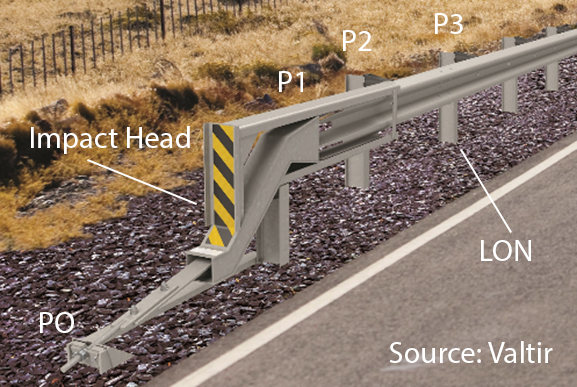
Figure 4a. SoftStop® Terminal
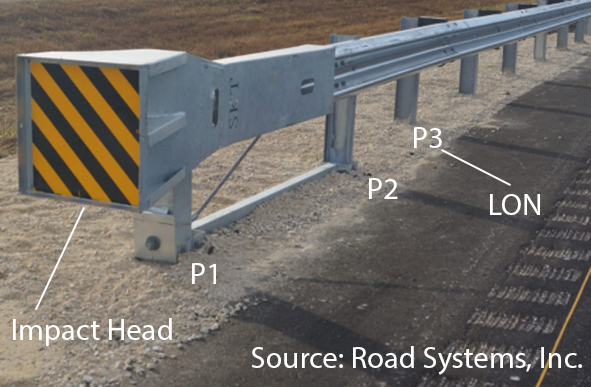
Figure 4b. MSKT® Terminal
Guardrail End Treatment Type 1 has a rail height of 31 inches. If it connects to older guardrail that is not 31 inches high, a Guardrail System Transition (Standard Drawing RBR-018) needs to be installed between the terminal and existing guardrail. An Object Marker Type 3 is placed on the front of the impact head.
3.5 Guardrail End Treatment Type 3
Guardrail End Treatment Type 3 (Figure 5) is a non-proprietary, buried-in-backslope terminal approved for NCHRP 350 TL-3 applications. The system is designed to redirect an errant vehicle. Information on this terminal is contained in Standard Drawings RBR-030, RBR-031, and RBR-032. These drawings include information on site grading, flare rates, the anchoring of guardrail (including alternate anchorage details), bid items, and instructions for installing pipe beneath guardrail.
The flare rates used to transition the guardrail away from the roadway are based on design speed and are shown on KYTC Standard Drawing RBR-030.
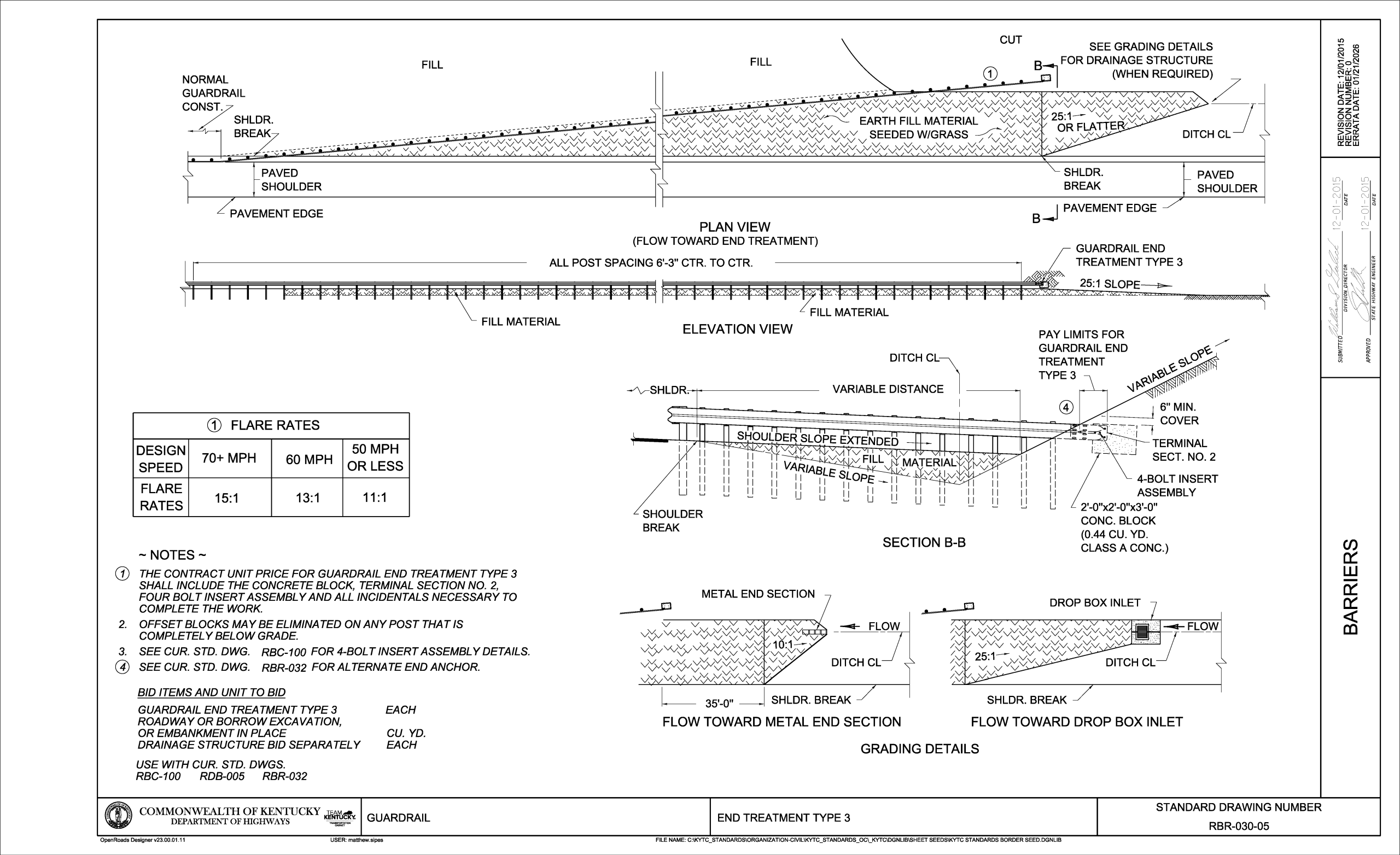
Figure 5: Guardrail End Treatment Type 3 Plan and Elevation View (from RBR-030)
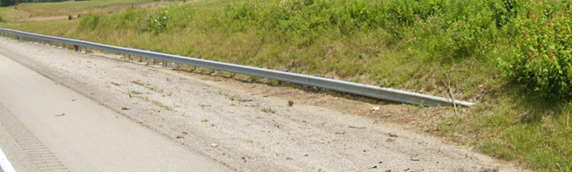
Figure 6: Guardrail End Treatment Type 3 on I-64
3.6 Guardrail End Treatment Type 4A
Guardrail End Treatment Type 4A is a flared, energy-absorbing terminal approved for MASH TL-3 applications. Information on this terminal can be found in RBR-035. This terminal is flared away from the normal guardrail line a distance of 3 feet (Figure 7). Site grading should follow the requirements shown on the Standard Drawing. The MASH MFLEAT® is the only proprietary terminal authorized for use as a Guardrail End Treatment Type 4A.
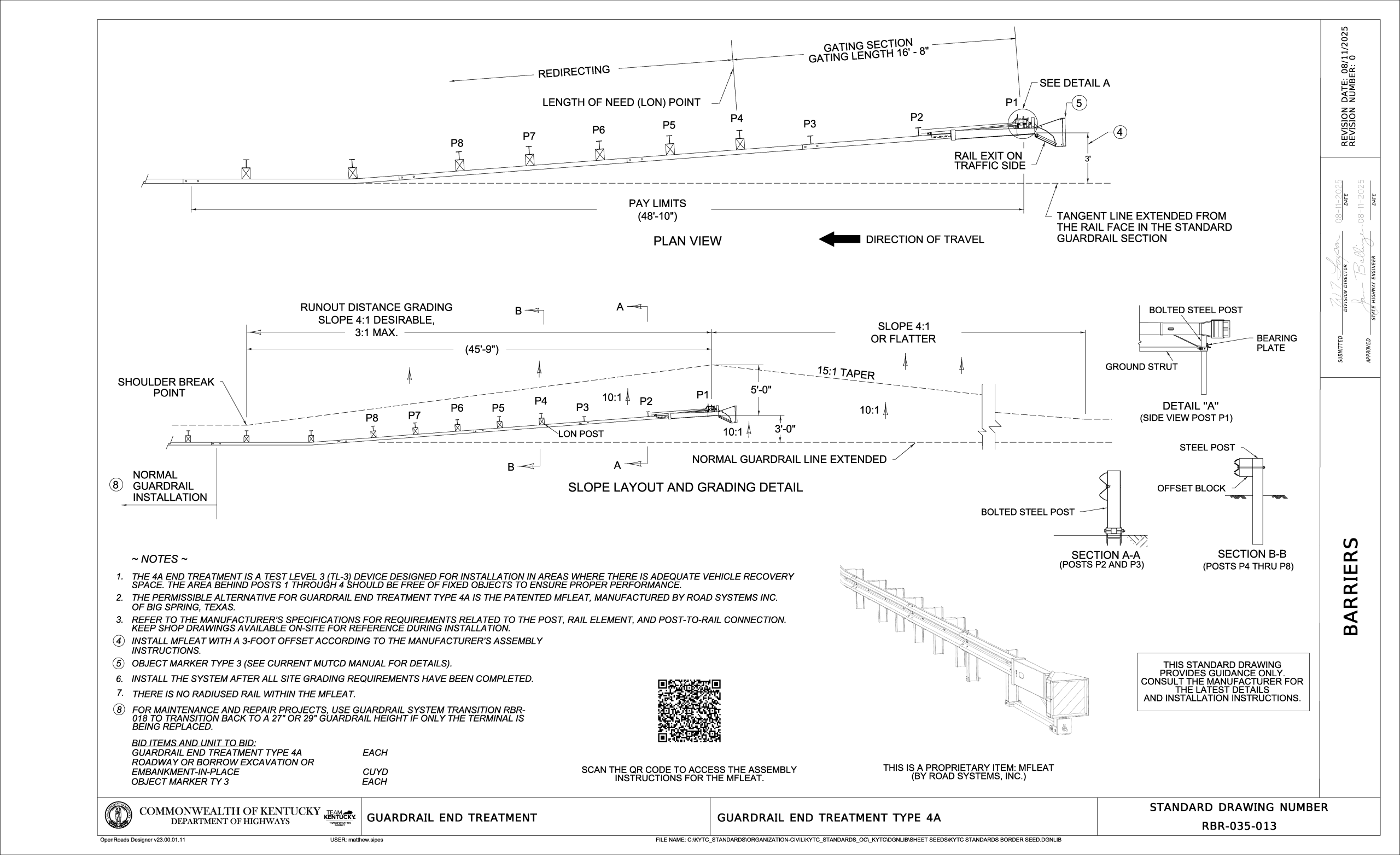
Figure 7: Guardrail End Treatment Type 4A (from RBR-035)
The LON is measured from post 4 (Figure 8). If a vehicle strikes the terminal head-on, energy is absorbed and the vehicle decelerates as the rail is extruded through the impact head. Refer to Section 3.2.2 for a full description of LON. An Object Marker Type 3 is placed on the front of the impact head.
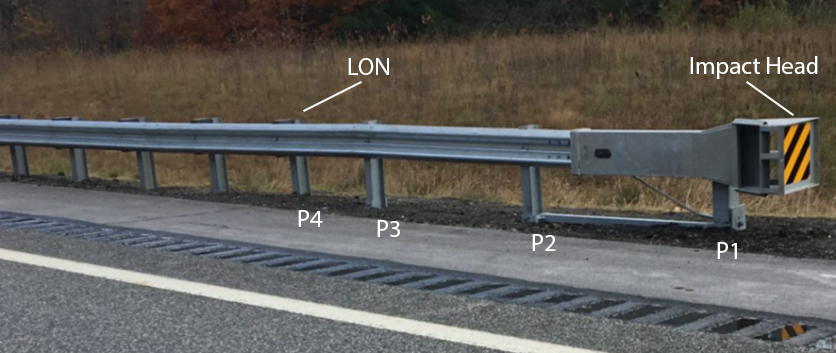
Figure 8: MASH MFLEAT® Terminal
3.7 Guardrail End Treatment Type 7
Guardrail End Treatment Type 7 is a non-proprietary, turned-down terminal (Figure 9). Information on this terminal is found in Standard Drawings RBR-050 and RBR-051. The last 25 ft of this terminal twists and turns down to an anchorage in the ground that is either a block of concrete or an embedded steel post (Figure 10). For this terminal, the end anchor offset from the normal guardrail line ranges from 0 foot up to 4 feet (preferred).
Because this terminal is NOT crashworthy, it should only be used as a last resort on low-speed, low-volume roads when other crashworthy end treatments will not function properly (e.g., due to an unobtainable recovery zone or site conditions that preclude other end treatments from achieving their intended performance). Do NOT use this terminal on National Highway System (NHS) routes with posted speeds above 35 mph. Appropriate justification shall be retained in the project file when this terminal is installed.

Figure 9: Guardrail End Treatment Type 7 (from RBR-050)
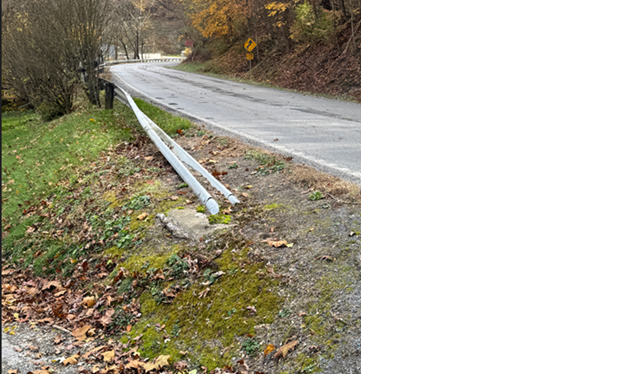
Figure 10: Guardrail End Treatment Type 7
3.8 Barrier Wall to Curb Transition
A barrier wall–to–curb transition may be considered on low-speed facilities where a concrete barrier wall connects to curb and gutter. It is typically used in urban and suburban settings, such as at bridges or interchanges, where sidewalks are present and space is limited for installing guardrail end treatments (Figure 11). Information on this transition is found in RBM-135 Sheet 011.
On high-speed routes, do NOT use this transition at the approach ends or downstream ends within the clear zone of opposing traffic.
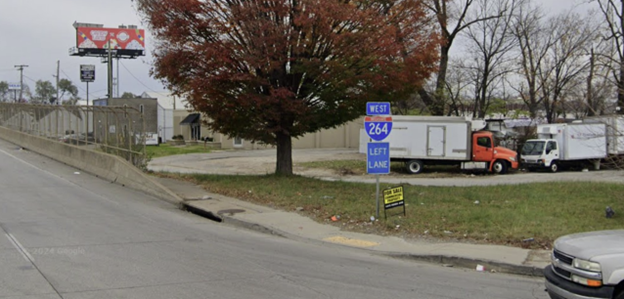
Figure 11: Barrier Wall to Curb Transition on KY 864
One MASH-tested anchor commonly used with guardrail is Guardrail End Treatment Type 2M (Trailing End Terminal). Details of this treatment are available in Standard Drawing RBR-025. It is considered a trailing-end treatment (anchor), and its primary function is to anchor the guardrail section and provide the tensile strength required for the guardrail to perform as intended.
The LON for Guardrail End Treatment Type 2M (Trailing End Terminal) starts at Post 5 (Figure 12). The area downstream of Post 5 is intended to function as a gating section, while the area upstream of Post 5 is intended to function as a redirecting section. See Section 3.2.2 for a full description of LON.
Guardrail End Treatment Type 2M is NOT intended for use in the direction of oncoming traffic. It is used on the trailing end (downstream) of traffic on one-way roadways, at trailing-end locations outside the clear zone of opposing traffic, or at trailing-end locations shielded from opposing traffic. A common application is at the trailing end of guardrail connecting to bridges of divided highways with depressed medians.
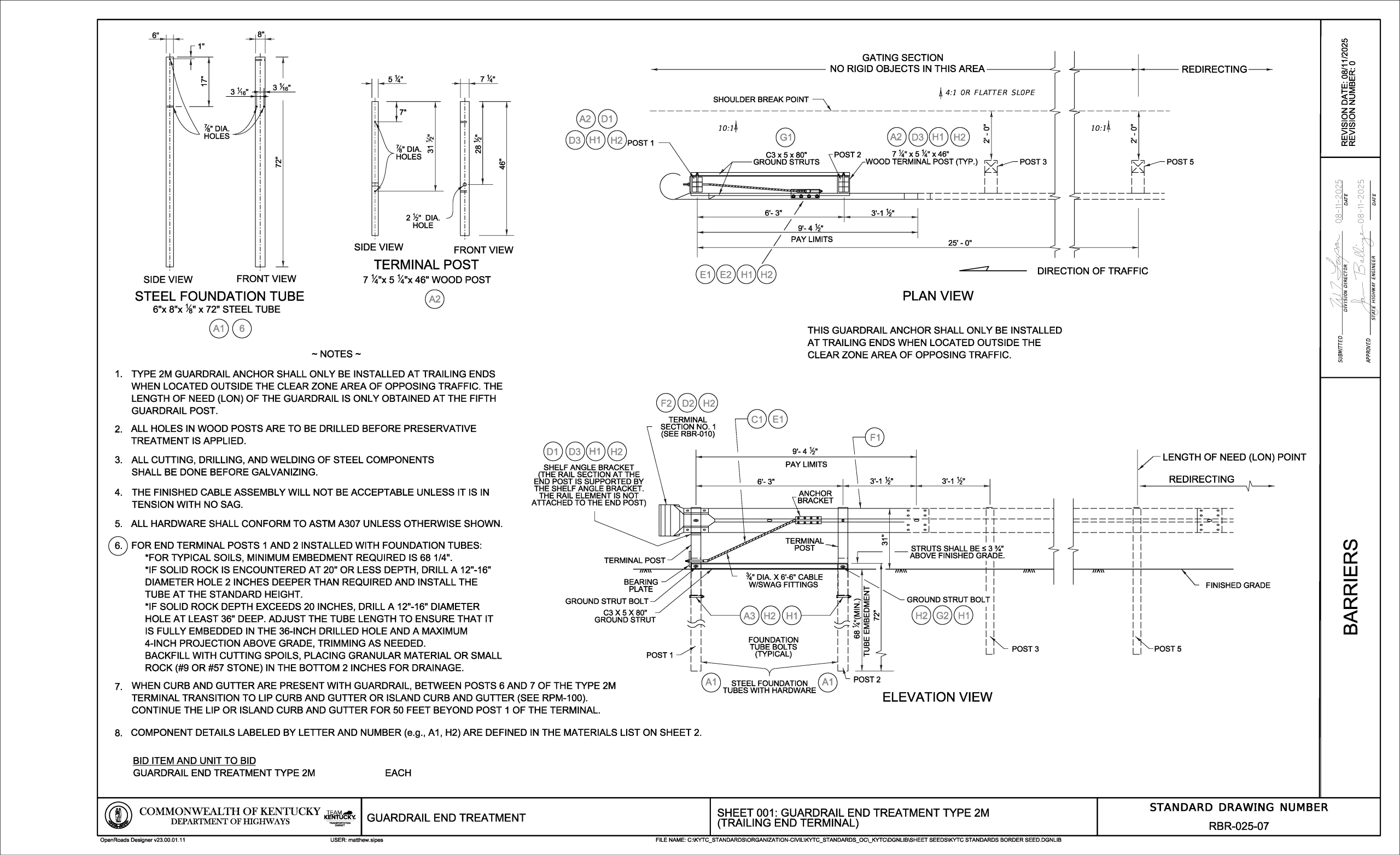
Figure 12: Guardrail End Treatment Type 2M (an Anchor) (from RBR-025)
Crash cushions function differently based on the way they are impacted by vehicles. For head-on impacts, they decelerate vehicles, while for side impacts, they redirect vehicles. They are typically installed at the ends of rigid barriers but can also be installed at ends of single-sided or double-sided guardrail systems, or in front of fixed objects (e.g., bridge pier).
One feature that gives crash cushions significant versatility is their ability to redirect vehicles impacting either side of the device, making them ideal for use in medians or interchange gore areas. Crash cushions are designed to absorb a vehicle’s kinetic energy and bring the vehicle to a stop or significantly reduce its speed over a short distance in a manner that reduces the potential for serious injury.
Crash cushions are also commonly used during roadway construction to shield exposed ends of temporary barrier systems. Because they can be anchored to a concrete pad or bolted into the pavement, they are well suited for these applications. Additionally, many crash cushion systems are reusable and can be relocated within a job site, allowing for multiple uses.
5.1 Crash Cushion Type 6
Crash Cushion Type 6 is a redirecting, non-gating crash cushion that can be used with two-directional traffic. Both TL-2 and TL-3 versions are available. Standard Drawing RBE-105 Sheet 001 provides information on this crash cushion. Several proprietary products are authorized for use in Crash Cushion Type 6. Table 1 summarizes the characteristics of these products and provides links to the manufactures’ installation guides. The first column of Table 1 identifies the crash cushion class to be included in the bid item code. This table should be consulted when selecting an appropriate crash cushion, based on the project context, traffic conditions, and site constraints.
Class C and Class D crash cushions are intended for use at locations where a high frequency of impacts is expected and where routine maintenance access may be challenging. These locations are typically high-speed, high-volume areas. When considering the use of Class B, Class C, and Class D crash cushions, consider the anticipated impact frequency, traffic volumes and speeds, and maintenance accessibility.
Figure 13 shows Type 6 crash cushions, including the Hill & Smith SmartCushion®, Valtir QuadGuard® M10, Valtir QuadGuard® Elite M10, and Valtir REACT® M.
| Table 1: Crash Cushion Type 6 Alternatives | ||||||||||||||
|---|---|---|---|---|---|---|---|---|---|---|---|---|---|---|
| Bid Code Class | Speed (mph) | Crash Cushion (Attenuator) | Suggested AADT* Range | |||||||||||
| Model | Product Name | Manufacturer | Width | Length | ||||||||||
| B | ≤ 45 | TL-2 | SCI 70 GM Smart Cushion® | Hill & Smith of Columbus, OH | 24" | 13' - 6" | ≤ 12,000 | |||||||
| 3-Bay QuadGuard® M10 | Valtir of Dallas, TX | 24" | 13' - 0" | |||||||||||
| B | > 45 | TL-3 | SCI 100 GM Smart Cushion® | Hill & Smith of Columbus, OH | 24" | 21' - 6" | ≤ 12,000 | |||||||
| 6-Bay QuadGuard® M10 | Valtir of Dallas, TX | 24" | 22' - 0" | |||||||||||
| C | > 45 | TL-3 | SCI 100 GM Smart Cushion® | Hill & Smith of Columbus, OH | 24" | 21' - 6" | ≥ 8,000 | |||||||
| QuadGuard® Elite M10 | Valtir of Dallas, TX | 24" | 27' - 2" | |||||||||||
| > 45 | > 45 | > 45 | REACT® M | > 45 | 38 ¾” | 22' - 2 3/4" | ≥ 15,000 | |||||||
| *Annual Average Daily Traffic - The suggested AADT range in the table is provided for guidance only and shall not supersede the application of sound engineering judgment. | ||||||||||||||
If a crash cushion will be connected to single-sided or double-sided guardrail, consult Standard Drawing RBC-110 and the applicable product installation guides for connection details. If the crash cushion will be connected to a median barrier wall, consult KYTC Standard Drawing RBM-135 Sheet 004A and the applicable product installation guides for connection details.
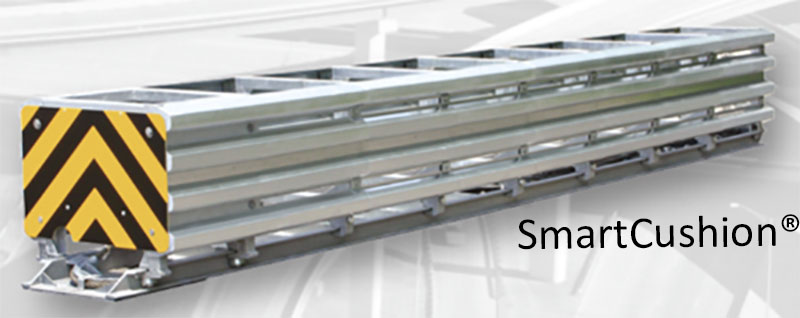
Figure 13a: Type 6 Manufacturer Variants Smart Cushion® (Source: Hill & Smith, Valtir)

Figure 13c: Type 6 Manufacturer Variants QuadGuard® Elite M10 (Source: Hill & Smith, Valtir)
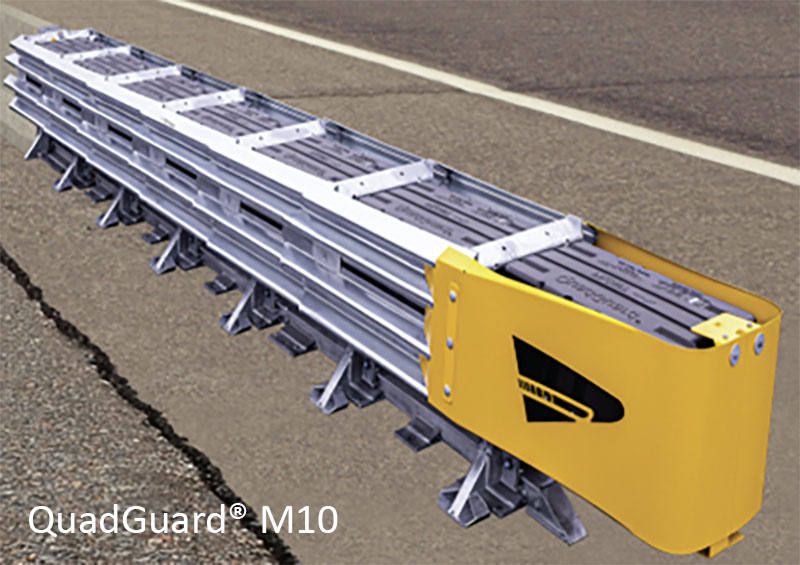
Figure 13b: Type 6 Manufacturer Variants QuadGuard® M10 (Source: Hill & Smith, Valtir)
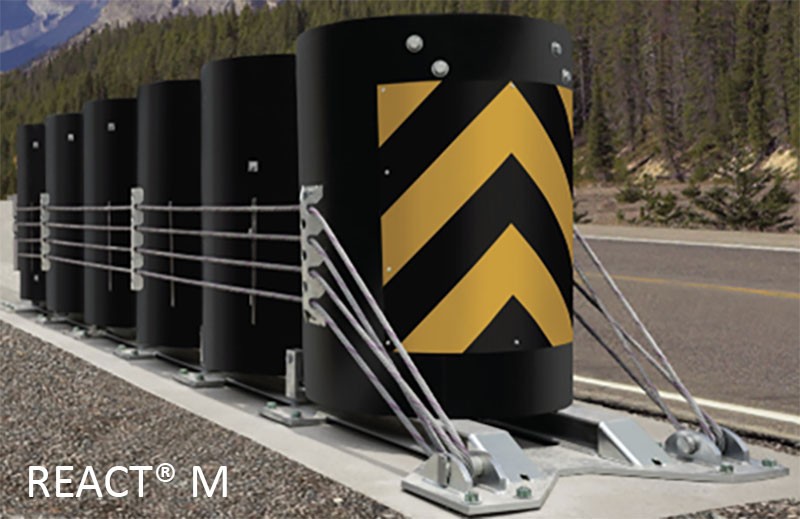
Figure 13d: Type 6 Manufacturer Variants REACT® M(Source: Hill & Smith, Valtir)
A Crash Cushion Type 6 is bid as EACH. Because Crash Cushion Type 6 is adaptable to different speeds and traffic volumes, the bid codes contain additional information. Three pieces of information are included in the Crash Cushion Type 6 bid item:
CRASH CUSHION TY 6 ♠, ⬡, △ EACH
♠ is the crash cushion class, either B, C, or D
⬡ is the MASH test level, either TL2 or TL3
△ is the connect type (1 if connected to something other than concrete, such as single- or double-sided guardrail; leave blank if connected to concrete)
Here are three examples of Crash Cushion Type 6 bid items:
CRASH CUSHION TY 6 CLASS B TL2
CRASH CUSHION TY 6 CLASS C TL3 1
CRASH CUSHION TY 6 CLASS D TL3
In addition to the crash cushion itself, a bid item for Object Marker Type 3 (paid as EACH) is included. The object marker is placed on the front of the crash cushion using the methods recommended in the manufacturers’ product installation guides.
5.2 Crash Cushion Type 6T
A Crash Cushion Type 6 may also be used in a temporary installation such as during roadway construction. Details for this temporary application can be found in KYTC Standard Drawing RBE-105 Sheet 003.
When used as a temporary crash cushion, the same bid item numbering structure is used, but a “T” is added to the class as shown below:
CRASH CUSHION TY 6 CLASS T ☆ EACH
☆ is the MASH test level, either TL2 or TL3
Here is an example of a temporary crash cushion Type 6 bid item:
CRASH CUSHION TY 6 T TL3
As with permanent installations, the temporary Type 6 crash cushion uses an Object Marker Type 3 (Paid as EACH) attached to the front of the device using methods recommended in the manufacturers’ product installation guides.
As temporary traffic phasing changes during the roadway construction, the location of temporary crash cushions may need to be adjusted. If a temporary crash cushion is not damaged and remains in good working condition, it may be relocated and reinstalled. This work is paid for as Relocate Crash Cushion (Each).
5.3 Crash Cushion Type 7
A Crash Cushion Type 7 is installed at locations where the area requiring shielding is wider than can be accommodated by a Crash Cushion Type 6, such as interchange gore locations in urban areas. The Crash Cushion Type 7 has a maximum width of 69 inches at the back and narrows toward the front. It is rated for MASH TL-3 applications.
KYTC Standard Drawing RBE-105 Sheet 002 contains details on this crash cushion. Two manufacturers provide proprietary products for use as a Crash Cushion Type 7. Table 2 summarizes the characteristics of these products and includes links to the manufacturers’ installation guides. This table should be consulted when selecting an appropriate crash cushion, based on the project context, traffic conditions, and site constraints.
| Table 2: Crash Cushion Type 7 Alternatives | ||||||||||||||
|---|---|---|---|---|---|---|---|---|---|---|---|---|---|---|
| Bid Code Class | Speed (mph) | Crash Cushion (Attenuator) | Suggested AADT* Range | |||||||||||
| Model | Product Name | Manufacturer | Width | Length | ||||||||||
| B | > 45 | TL-3 | QuadGuard® M Wide | Valtir of Dallas, TX | 69" | 22' - 0" | ≤ 12,000 | |||||||
| C | > 45 | TL-3 | QuadGuard® Elite M10 Wide | Valtir of Dallas, TX | 69" | 27' - 1" | ≥ 8,000 | |||||||
| *Annual Average Daily Traffic – The suggested AADT range in the table is provided for guidance only and shall not supersede the application of sound engineering judgement. | ||||||||||||||
Class C crash cushions are intended for use at locations where a high frequency of impacts is expected and where routine maintenance access may be challenging. These locations are typically high-speed, high-volume areas. When considering the use of Class B and Class C crash cushions, consider the anticipated impact frequency, traffic volumes and speeds, and maintenance accessibility.
Figure 14 shows Type 7 crash cushions, including the Valtir QuadGuard® M Wide and the Valtir QuadGuard® Elite M10 Wide.
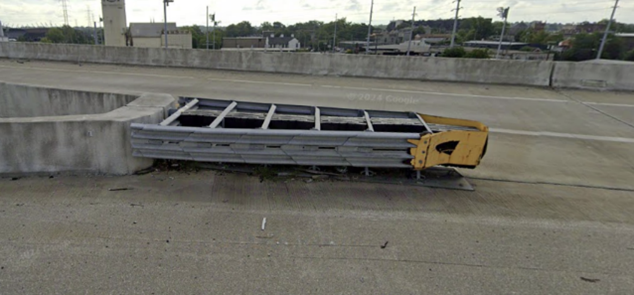
Figure 14a: Type 7 Manufacturer Variants QuadGuard® M Wide (Source: Google Street View)

Figure 14b: Type 7 Manufacturer Variants QuadGuard® Elite M10 Wide (Source: Google Street View)
CRASH CUSHION TY 7 ♠, TL3 EACH
♠ is the crash cushion class, either B or C
Here is an example Crash Cushion Type 7 bid item:
CRASH CUSHION TY 7 CLASS B TL3
5.4 Thrie-Beam Bullnose Terminal
The thrie-beam bullnose terminal is a non-proprietary crash cushion installed in medians where fixed objects are present (e.g., bridge pier), where twin bridges on a divided highway create a drop-off in the median (Figure 15), or in interchange gore areas where shielding is needed beyond the gore area. It can be installed on roadway segments with same-direction or bidirectional traffic.
The bullnose terminal consists of slotted thrie-beam panels mounted on breakaway posts near the nose, with standard thrie-beam panels used beyond the slotted section. The terminal may connect to standard thrie-beam or W-beam guardrail using an appropriate transition. It can be laid out symmetrical about the roadway centerline (Figure 16) or in an asymmetrical configuration (Figure 17). KYTC Standard Drawing RBE-210 provides design and installation details for on this terminal.

Figure 15: Bullnose in Advance of Bridges on I-64 in West Virginia (Source: Google Street View)
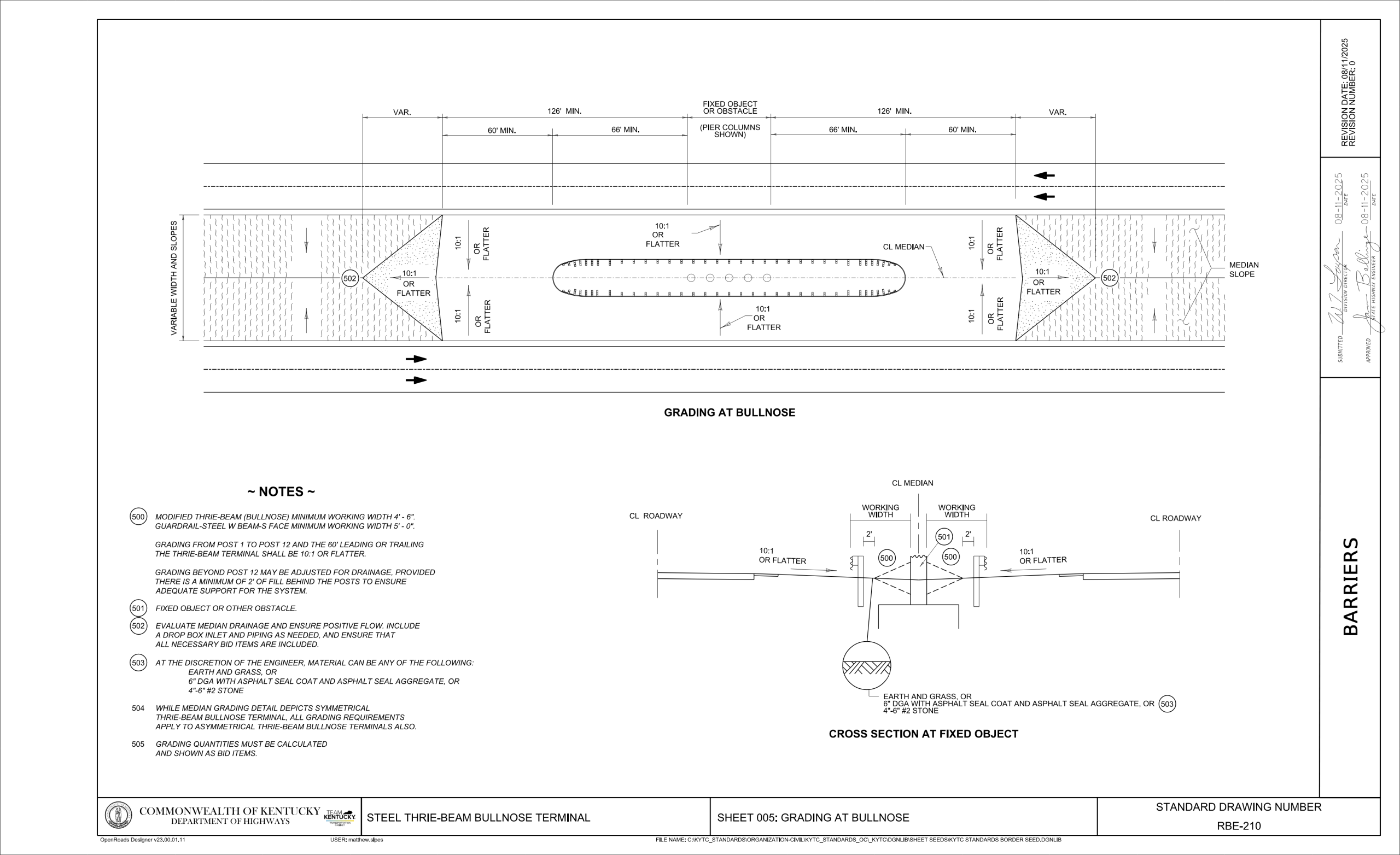
Figure 16: Grading at the Bullnose Crash Cushion (From RBE-210)

Figure 17: Asymmetrical Bullnose Terminal (From RBB-002)
A minimum distance of 66 ft must be provided between the front (nose) of the bullnose terminal and the fixed object. This area must be traversable and free of obstructions to provide sufficient space for a vehicle impacting the bullnose to decelerate (Figure 18). In advance of the bullnose, grading from the edge of shoulder to the center of the median should be 10:1 or flatter and extend at least 60 ft (Figure 16).

Figure 18: Bullnose Crash Testing
Over time, KYTC has incorporated different proprietary products into its Standard end treatments. Changes in product use occur for several reasons, including:
- Manufacturers discontinuing a product
- Product dimensions being modified, making them incompatible with existing end treatments
- Identification of more cost-effective products with similar performance
- Selection of products requiring less maintenance
Terminals, anchors, or crash cushions that have not been crash tested in accordance with NCHRP 350 or MASH 2016 standards must be upgraded when encountered on a project. An exception being where a Type 7 is utilized under the conditions described in Section 3.7, in which case supporting documentation shall be retained in the project file. If an existing end treatment is encountered on a project and there is interest in keeping it in place, project staff should consult with the Division of Maintenance to evaluate the condition of the device and determine whether replacement is warranted.
Periodic inspection of terminals, anchors, and crash cushions is necessary to ensure that each device can function as intended. For proprietary devices, manufacturer installation manuals typically recommend inspection intervals and provide inspection checklists.
Any maintenance, repair, or replacement of existing end treatments must be documented in Form TC 71-25 (Guardrail and End Treatment Installation and Repair Report).
- KYTC Standard Drawings and Sepias
- RBB-002 Guardrail and Bridge End Drainage for Twin Structures
- RBC-110 Connection Details of Crash Cushion Type VI to Double Face Guardrail
- RBE-105 Crash Cushions Complete Packet
- RBE-210 Steel Thrie-Beam Bullnose Terminal Complete Packet
- RBI-004 Installation of Guardrail End Treatment Type 1
- RBM-135 Concrete Barrier walls Complete Packet
- RBR-001 Steel Beam Guardrail (‘W’ Beam)
- RBR-018 Guardrail System Transition
- RBR-020 Guardrail End Treatment Type 1
- RBR-025 Guardrail End Treatment Type 2M Complete Packet
- RBR-030 Guardrail End Treatment Type 3
- RBR-031 Guardrail End Treatment Type 3 Pipe Drainage Detail
- RBR-032 Guardrail End Treatment Type 3 Alternate Anchor
- RBR-035 Guardrail End Treatment Type 4A
- RBR-050 Guardrail End Treatment Type 7
- RBR-051 Guardrail End Treatment Type 7 Alternate Anchor
- KYTC Highway Design Guidance Manual
- HD-801.6 End Treatments and Crash Cushions
- KYTC Maintenance Guidance Manual
- MN-408 Roadway and Shoulder Maintenance – Guardrail
Hill and Smith
- Smart Cushion® Crash Cushion. https://hillandsmith.com/product/smart-cushion-crash-attenuator/
Roadside Design Guide. (2019). American Association of State Highway and Transportation Officials. RSDG-4 2011. ISBN: 978-1-56051-509-8.
Road Systems, Inc.
- MASH MFLEAT® https://roadsystems.com/mash-mfleat/
- MASH MSKT® https://roadsystems.com/mash-mskt/
Valtir
- MASH SoftStop® https://www.valtir.com/product/softstop-system/
- QuadGuard® M10 and M Wide Crash Cushion. https://www.valtir.com/product/quadguard-m10/
- QuadGuard® Elite M10 and Elite M10 Wide Crash Cushion. https://www.valtir.com/product/quadguard-elite-m10/
- REACT® M Crash Cushion. https://www.valtir.com/product/react-m/
HKP Guardrail
HKP Length of Need